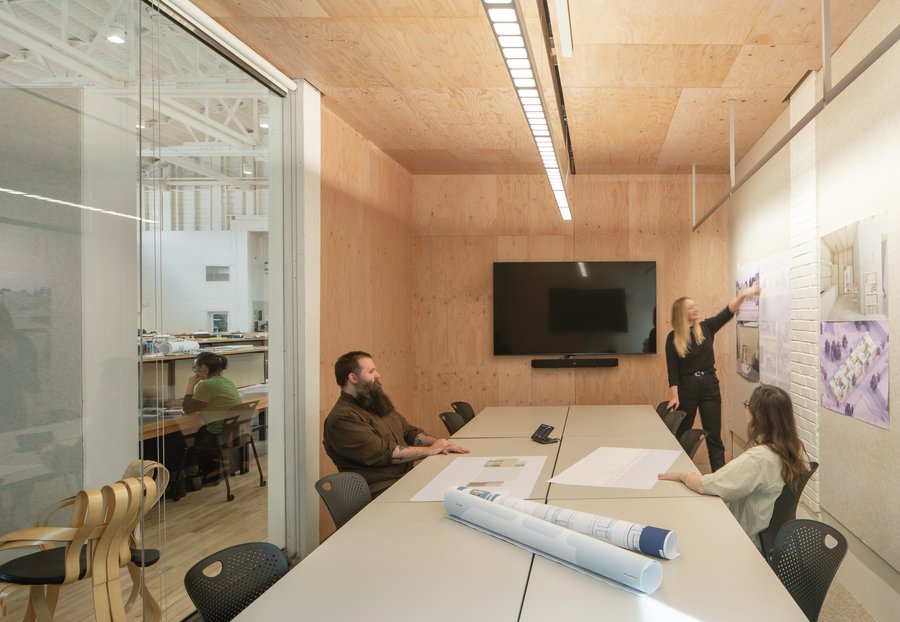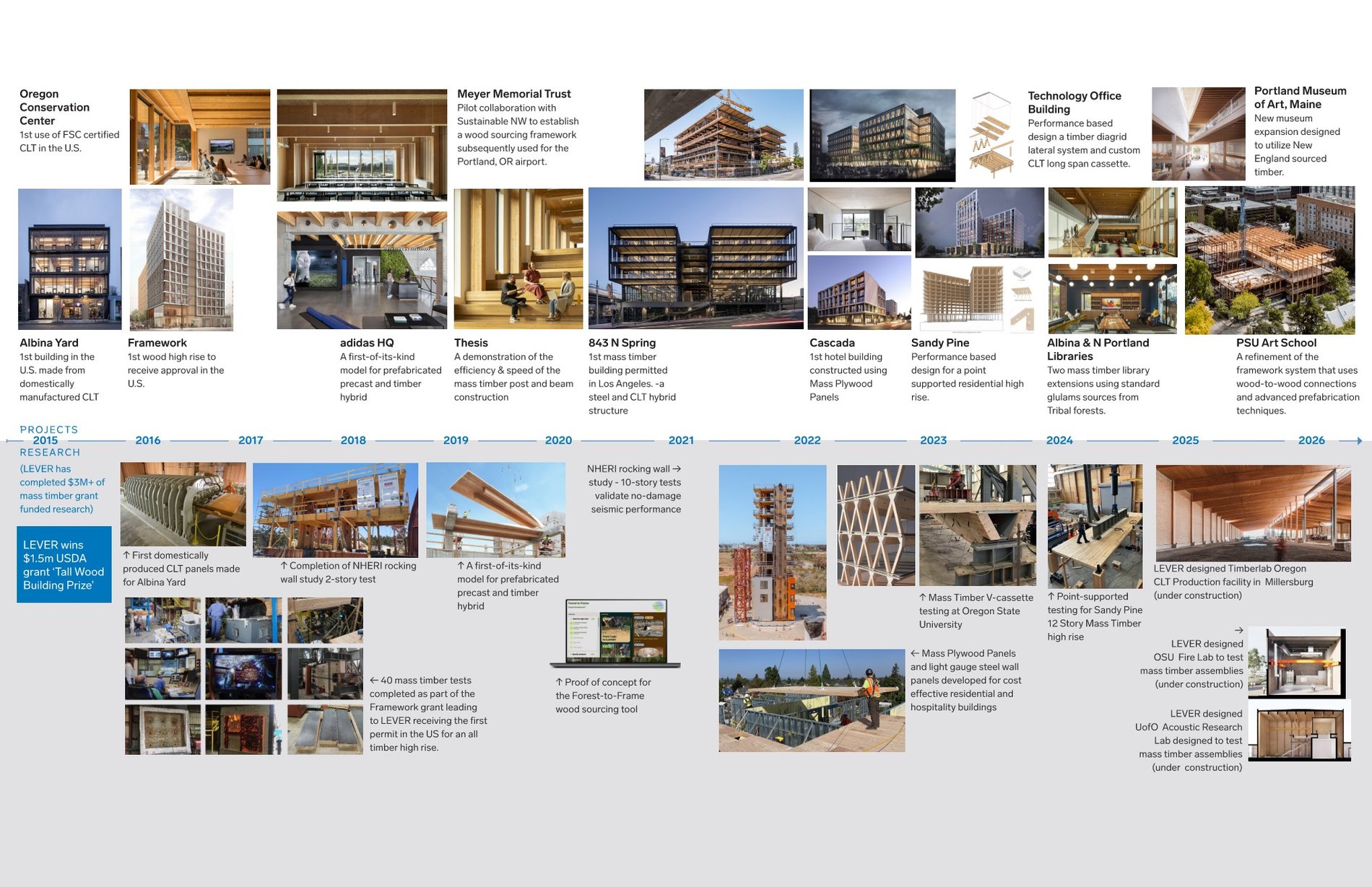
Innovation and material testing at LEVER spans a wide range of project types and strategic collaborations. In partnership with universities, research institutions, and private companies, we develop resilient building assemblies and test next generation materials. Grounded in the reality of building, we collaborate intensely with Contractors and trade partners to drive value through innovation. 
Timberlab Independence Hall

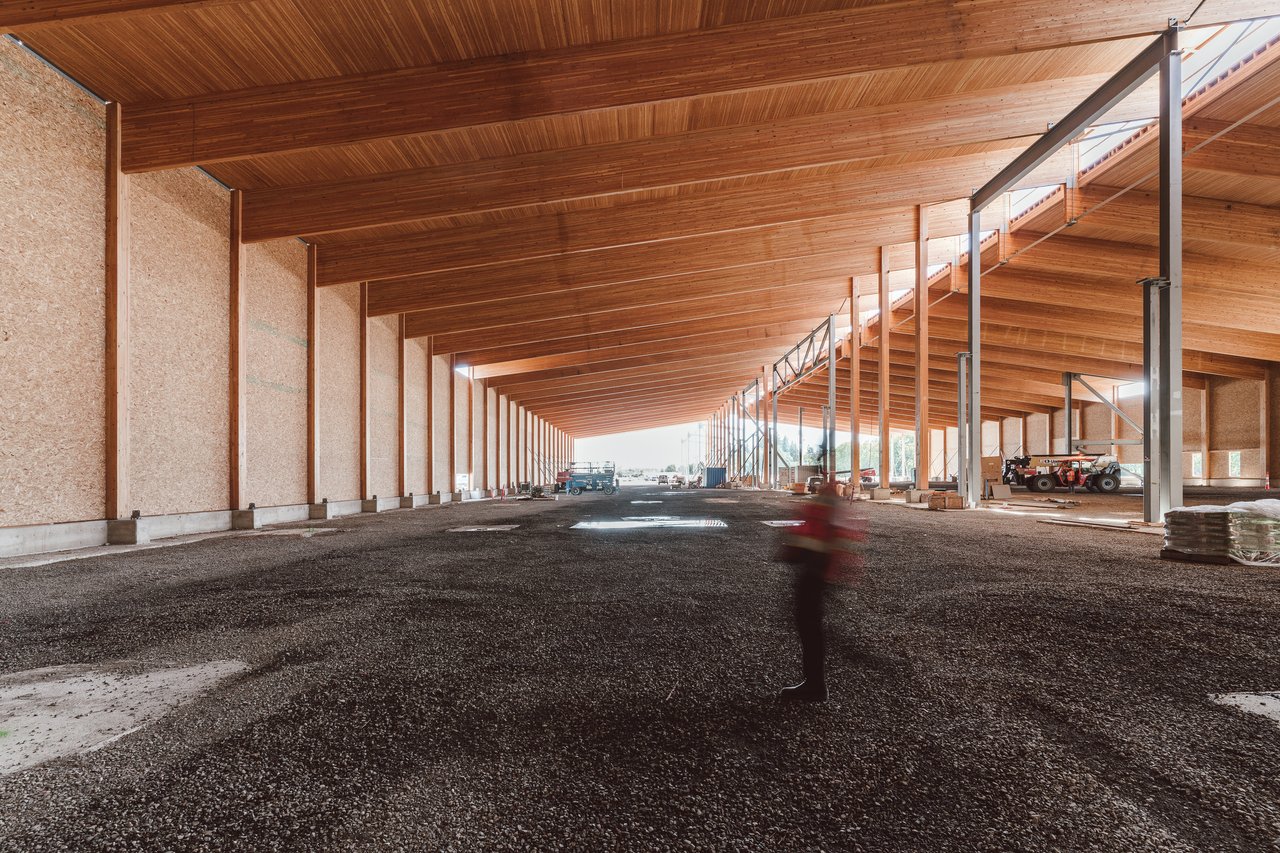
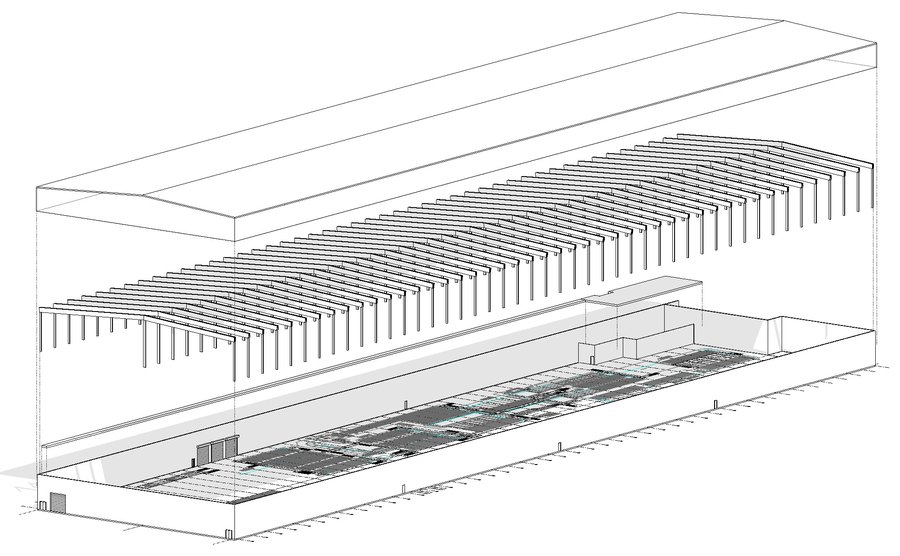
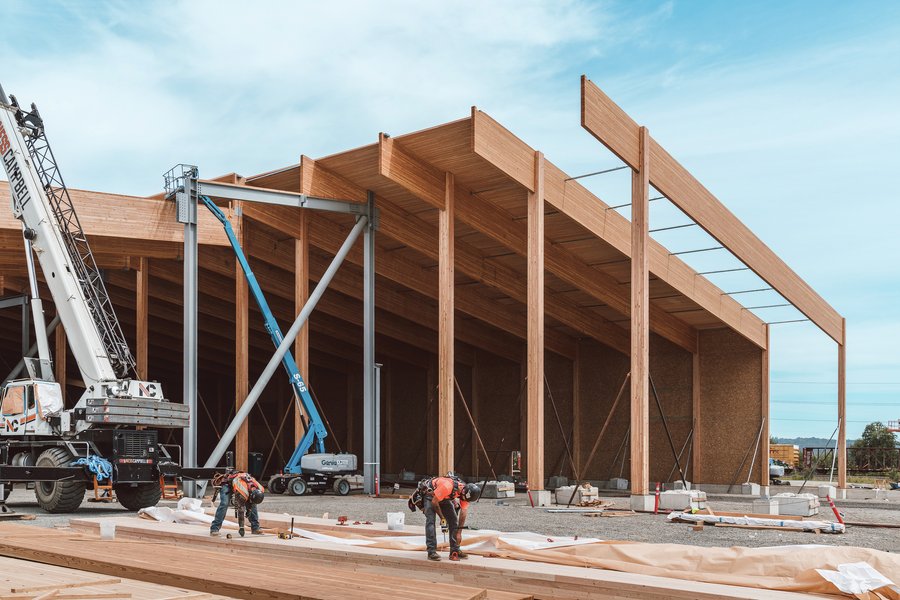
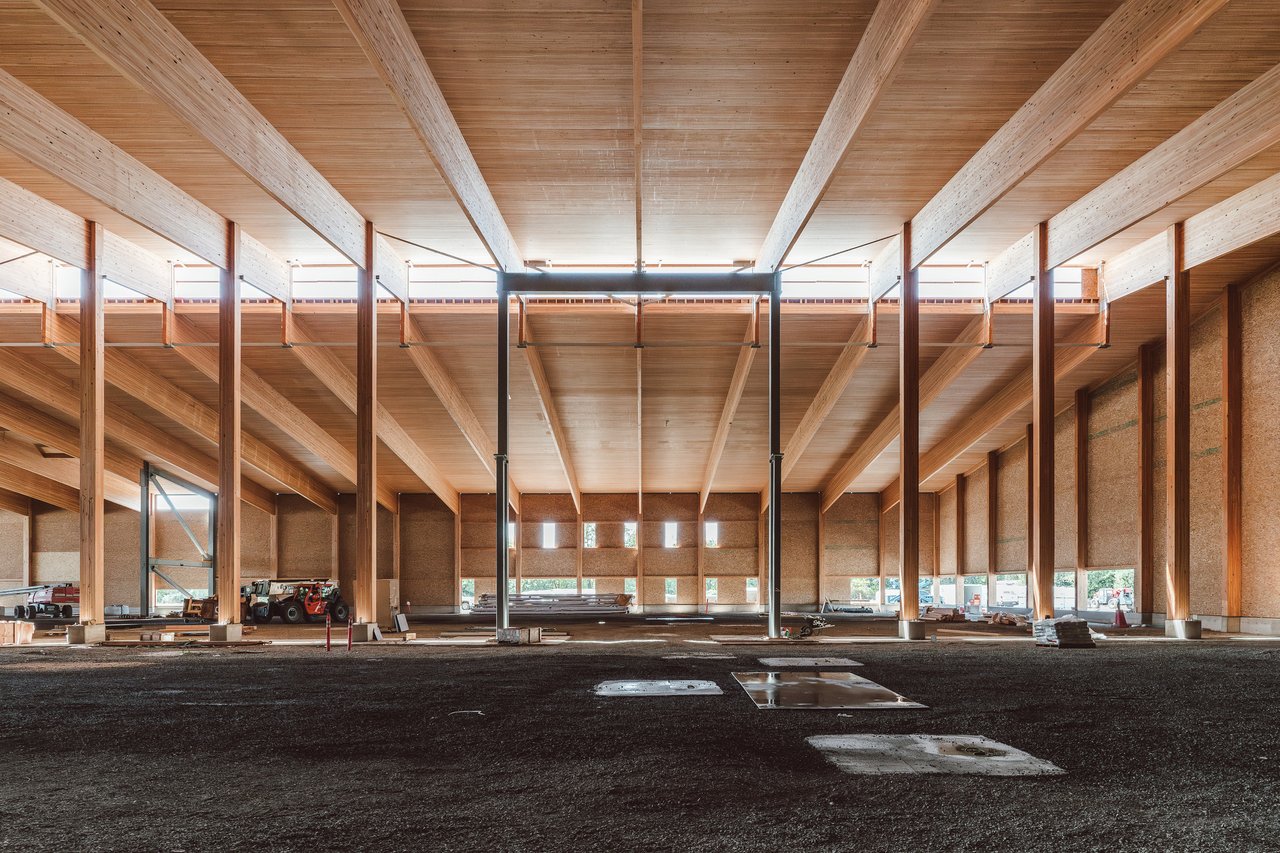
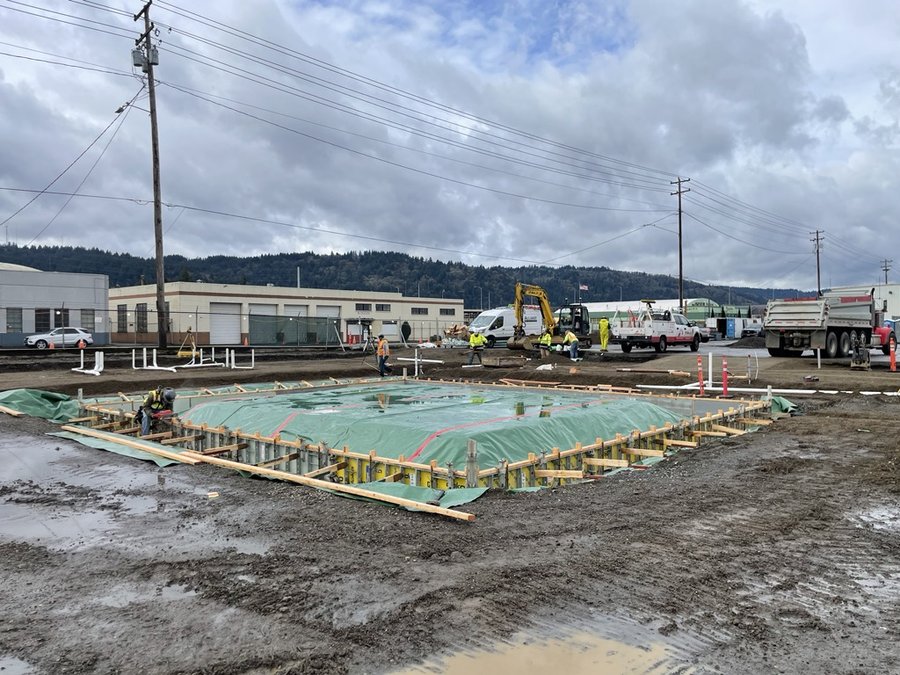
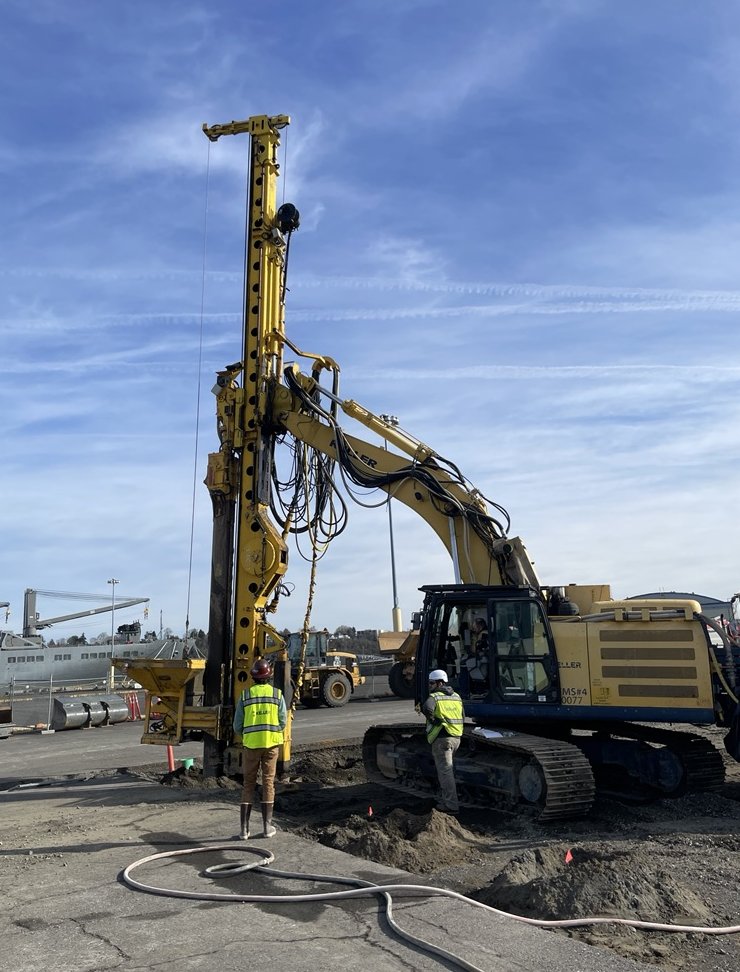
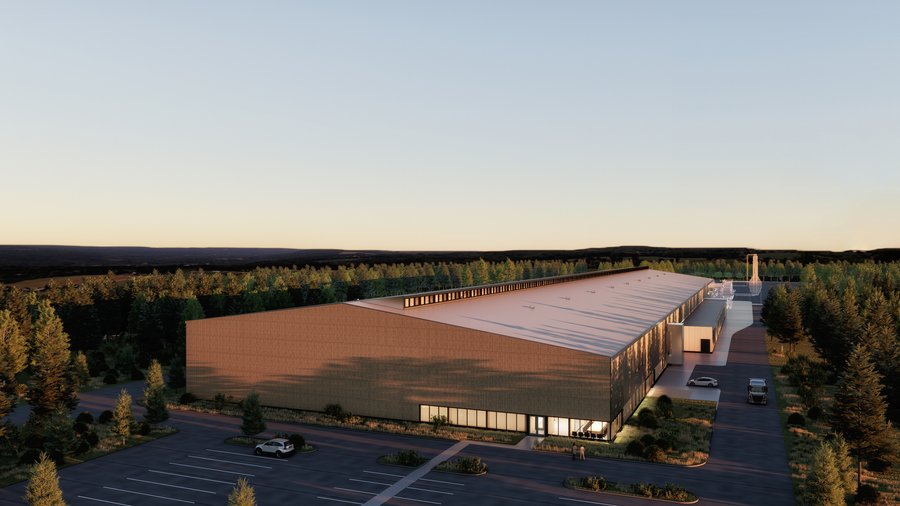
Located in Millersberg, Oregon, Timberlab Independence "Indy" Hall is a 190,000 sf industrial production facility for wood products which strengthens Oregon’s mass timber supply chain, and an inspiring showcase that demonstrates mass timber’s potential.

An asset to the regional supply chain, Timberlab Independence Hall is a Cross-Laminated Timber (CLT) manufacturing facility in the heart of the Pacific Northwest. When completed, it will stretch 190,000 sf, making it one of the largest CLT production sites in the country with an expected annual yield of 7 million to 9 million sf of CLT.

The facility will house large-scale manufacturing equipment for advanced timber and wood processing, including an automated feeding system, high-speed cross-cut saws and a top-of-the-line finger-jointing system. 

Oregon Acoustic Research Lab

A mass timber research facility advancing high-performance housing through acoustic innovation, sustainable materials, and expressive architectural form.

The Oregon Acoustic Research Laboratory (OARL), developed by the University of Oregon, is a first-of-its-kind facility dedicated to the acoustic testing of floor and ceiling assemblies, supporting the advancement of high-performance housing systems. As both a commercial and academic research facility, OARL brings together industry partners and university researchers—including the University of Oregon’s Energy Studies in Buildings Laboratory (ESBL)—to accelerate innovation in mass timber construction. Located within Portland’s emerging Mass Timber and Housing Innovation Campus, the project serves as a precision testing environment and a catalyst for expanding the use of mass timber in residential development.

By enabling rigorous acoustic validation of multi-family floor and ceiling assemblies, the facility addresses a critical barrier to broader adoption of mass timber housing—ensuring that innovative wood systems can meet stringent performance expectations for sound control. In doing so, OARL supports faster adoption of efficient, cost-effective building systems that can be deployed at scale, helping to address the region’s housing shortage. Through its dual role as a research hub and industry resource, the facility bridges the gap between laboratory research and real-world application, strengthening the capacity to deliver more housing across the Pacific Northwest.

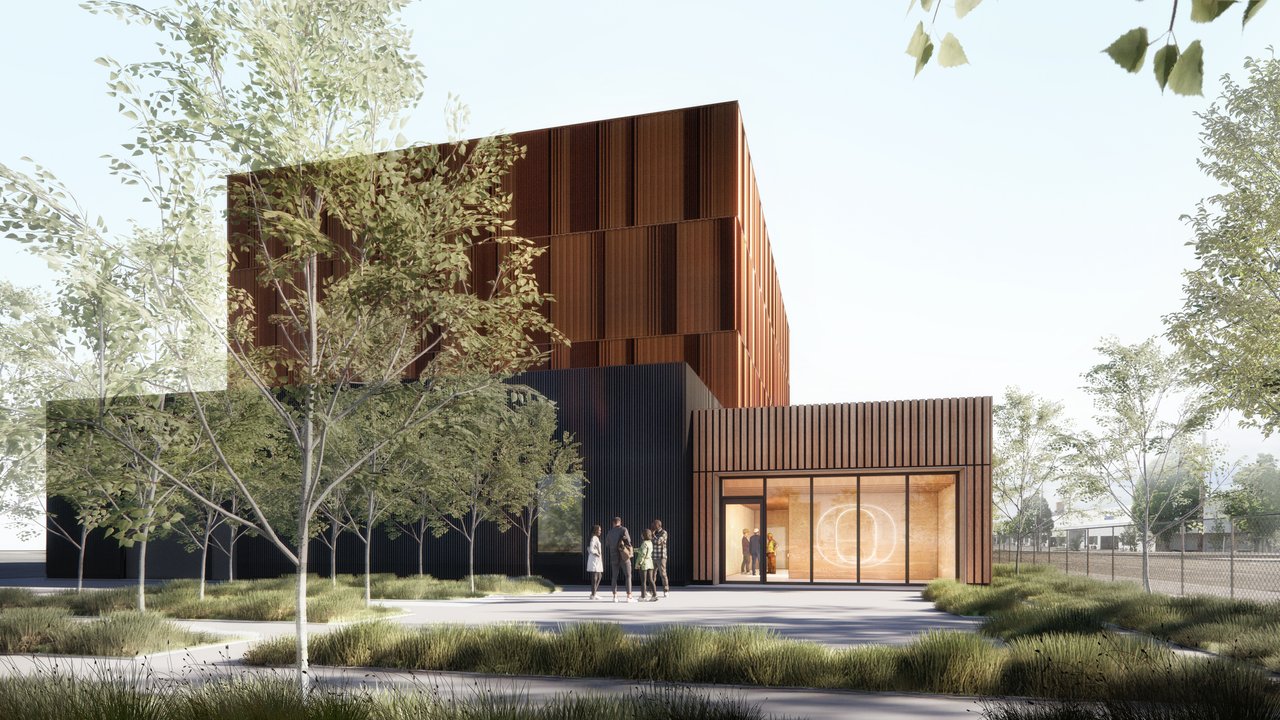
The building is defined by a highly efficient and expressive structural system composed of mass plywood panels and glulam framing. These engineered wood elements provide both the structural backbone and architectural identity of the project, demonstrating the potential of regionally sourced timber to deliver high-performance building solutions. Mass plywood panels allow for long spans and the controlled conditions required for acoustic testing, while the glulam frame establishes a clear structural order and warmth throughout the interior.

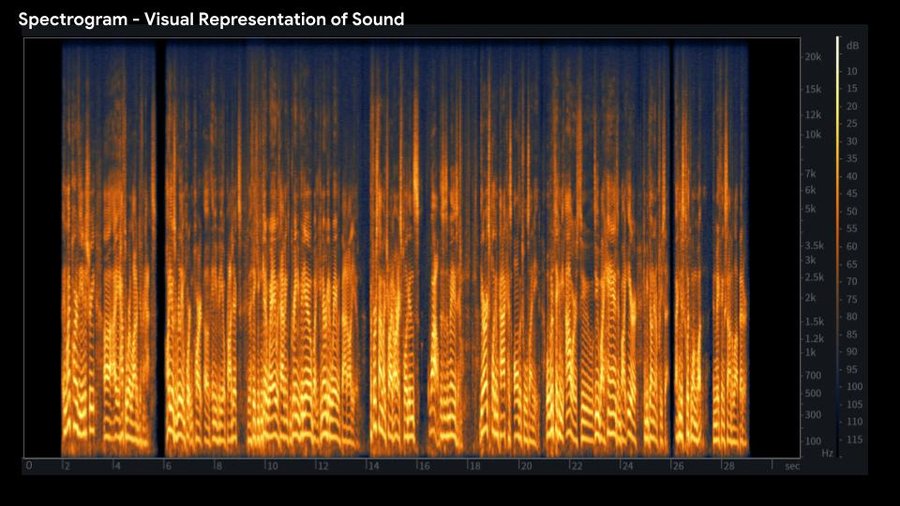
The exterior envelope translates the building’s acoustic mission into a dynamic architectural expression. Custom-formed weathering steel panels wrap the upper volume, with profiles that evoke the visual patterns of an audio spectrogram. The facade shifts with changing light conditions, creating a sense of rhythm and resonance that reflects the precise testing conducted within. At the ground level, an open-joint rain screen of juniper timbers introduces a tactile, human-scaled material that anchors the building in the regional landscape.

Sustainability

Sustainability is integral to the OARL project, which is designed to achieve LEED Gold certification through a combination of high-performance systems, responsible material choices, and site restoration strategies. The mass plywood and glulam structural system significantly reduces embodied carbon while supporting local forestry and manufacturing industries.

The project incorporates a highly efficient variable refrigerant flow (VRF) mechanical system with heat recovery, reducing operational energy use while maintaining the precise environmental control required for acoustic testing. A tightly sealed and highly insulated building envelope further enhances energy performance, minimizing thermal loss and improving overall efficiency.

Material selection also contributes to broader ecological benefits. The use of juniper for the rain screen supports restoration efforts in Central Oregon, where the overgrowth of juniper has displaced native grasslands and strained water resources. Harvesting and repurposing this material helps restore ecological balance while introducing a durable and regionally expressive cladding.

The site design transforms a formerly industrial landscape through the reintroduction of native plantings, improving habitat, reducing irrigation demand, and reconnecting the project to the ecological systems of the region. Complemented by the durability of weathering steel cladding, which minimizes maintenance and eliminates the need for applied finishes, these strategies support the project’s pursuit of LEED Gold and position OARL as a model for sustainable, high-performance development.

By aligning advanced acoustic testing with mass timber innovation, academic research, and environmental stewardship, the Oregon Acoustic Research Laboratory plays a key role in expanding access to sustainable housing and addressing the housing needs of the region.

Oregon State University, Fire Testing Lab

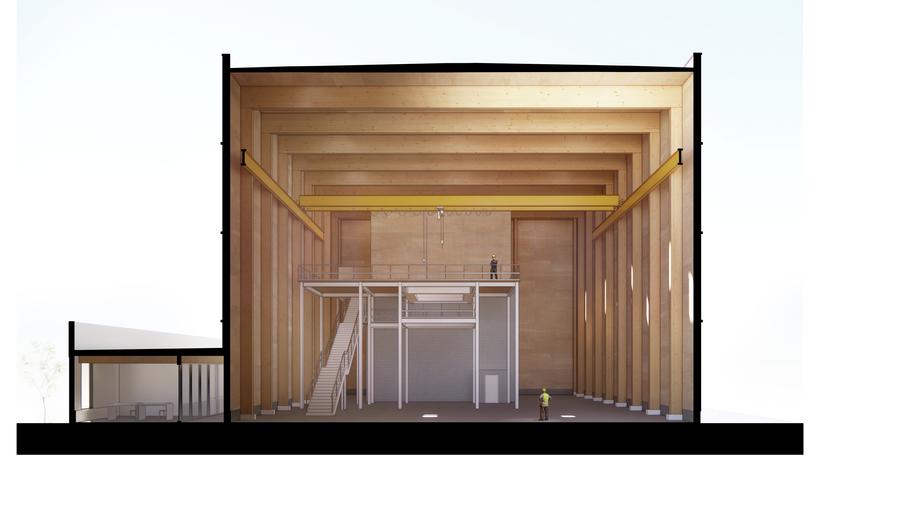
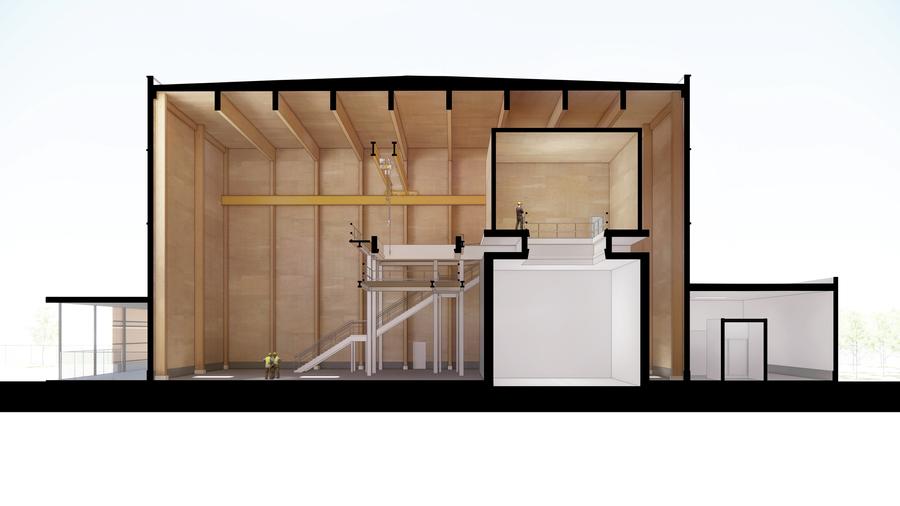
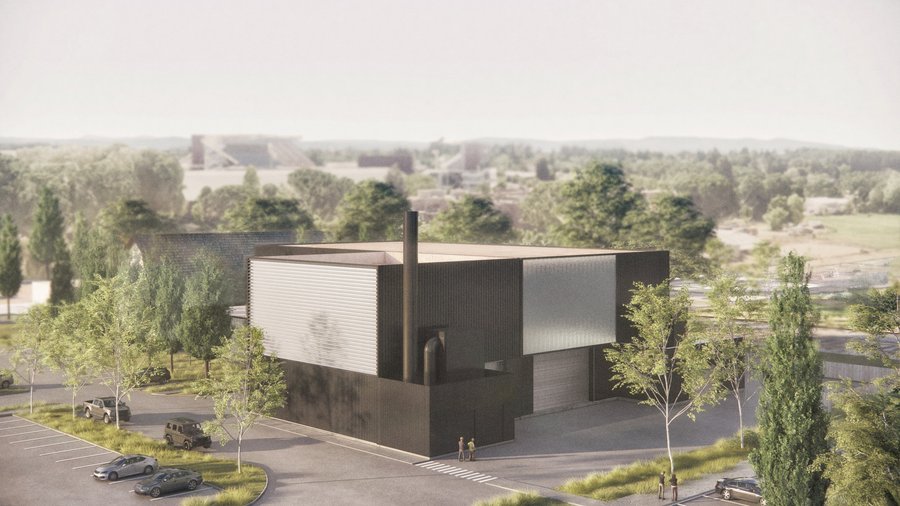
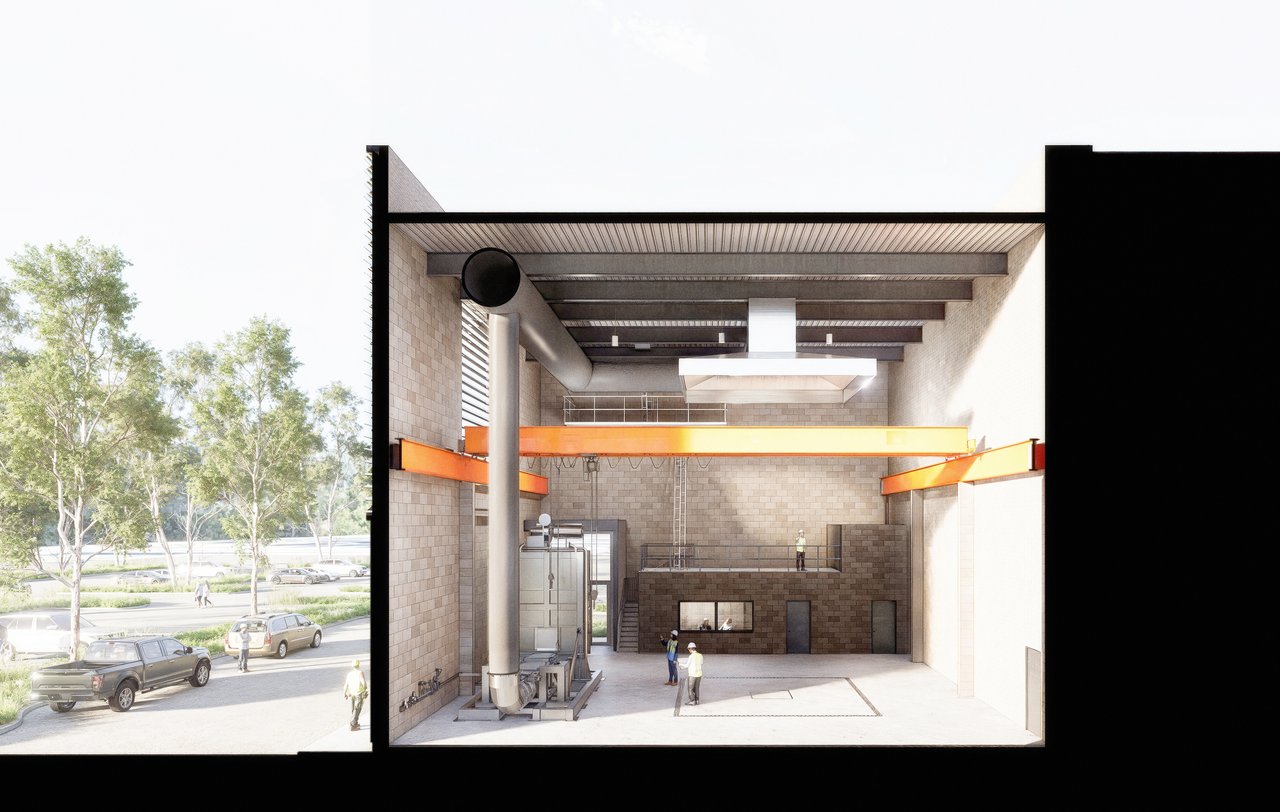
Oregon Fire Testing Facility, developed for Oregon State University in Corvallis Oregon, is connected to the A.A. Emmerson Advanced Wood Products Laboratory. The facility aims to revolutionize fire safety research by providing state-of-the-art testing apparatuses for researchers across the United States, and will not only enable hands-on experimental testing but also generate critical data for use in advanced numerical simulations.

The design integrates seamlessly with the existing lab structure, both in terms of the material and massing but also the layout of the plan. The primary materials are concrete block and steel joists. Careful attention was paid to clearances between the furnace and wall assemblies as well and the dimensions of the open burn area. 

Fire testing capabilities in academic settings are limited in the U.S., and no existing university-based facilities can test combustible building materials such as timber. This facility will address this gap through research on both combustible (e.g., mass timber) and non-combustible (e.g., concrete, steel) building materials, as well as wildfire behaviors. With its unique capabilities, this facility will play a crucial role in advancing fire safety knowledge for future construction projects, ultimately making buildings safer and more resilient.

Understanding how structures behave during fire exposure, including key heat transfer and structural mechanisms, is essential for improving fire resistance in modern construction. Experimental data collected from the facility will serve as validation for numerical simulations, enhancing the accuracy of fire behavior predictions. As data is gathered across a wide array of scenarios, researchers can better quantify uncertainty and variability, further improving simulation models.

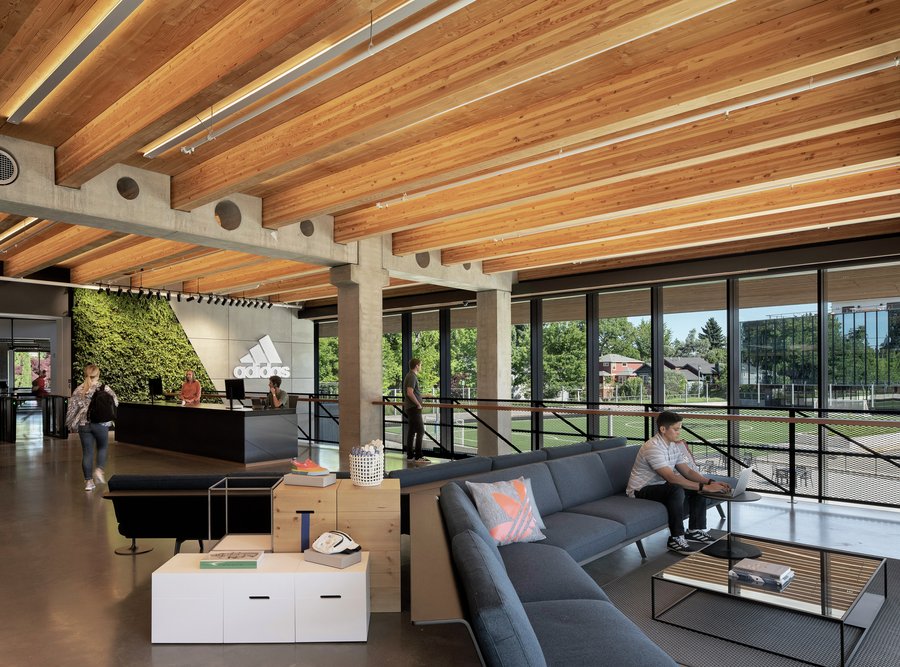
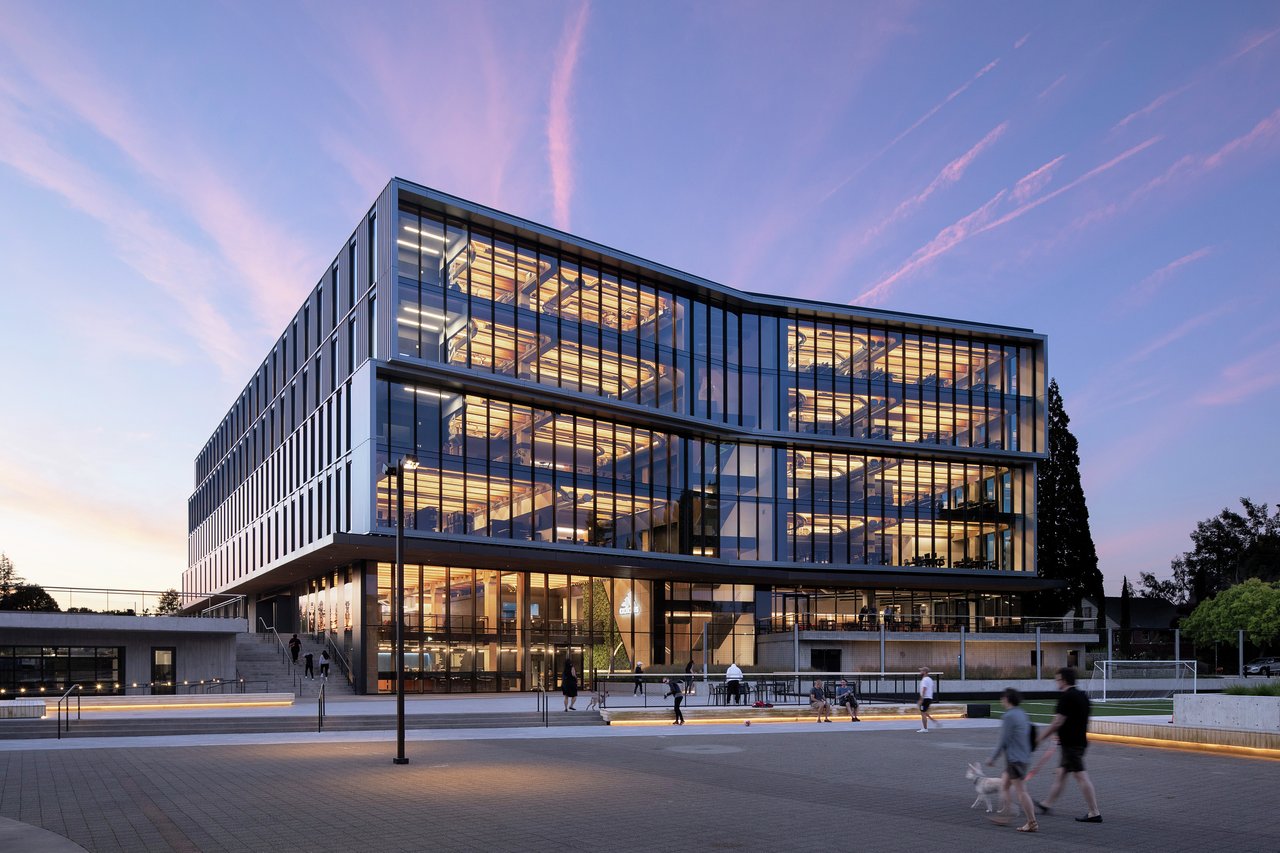
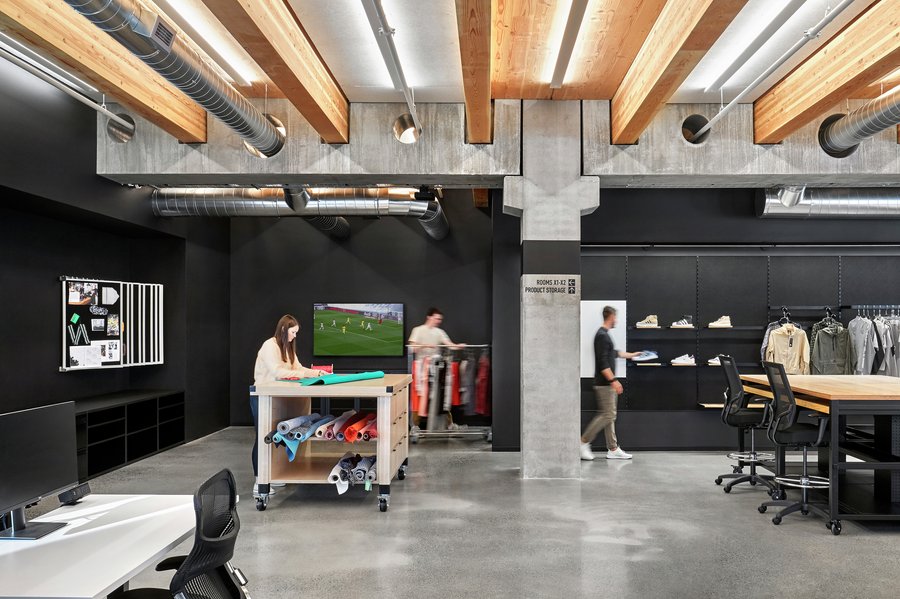
The Gold Building is one of two new signature mass timber buildings on the adidas Portland campus
adidas Headquarters expansion

Following a national design competition, adidas selected the team of LEVER Architecture, O+A, and GGN to realize a major expansion of their North American Headquarters. The target LEED Gold project enhances adidas’ Portland, Oregon campus with a new arrival sequence and two signature mass timber buildings.

The placement of the two buildings around a new central sports plaza transforms the existing plaza into a more cohesive campus landscape, strengthens connectivity internally between the existing buildings, and alters the landscape connections to the adjoining residential neighborhood. The project is inspired by the dynamism of small stadium environments where spectators and players engage in an active dialogue. The architecture of the two buildings connects creative work, community, and sport.

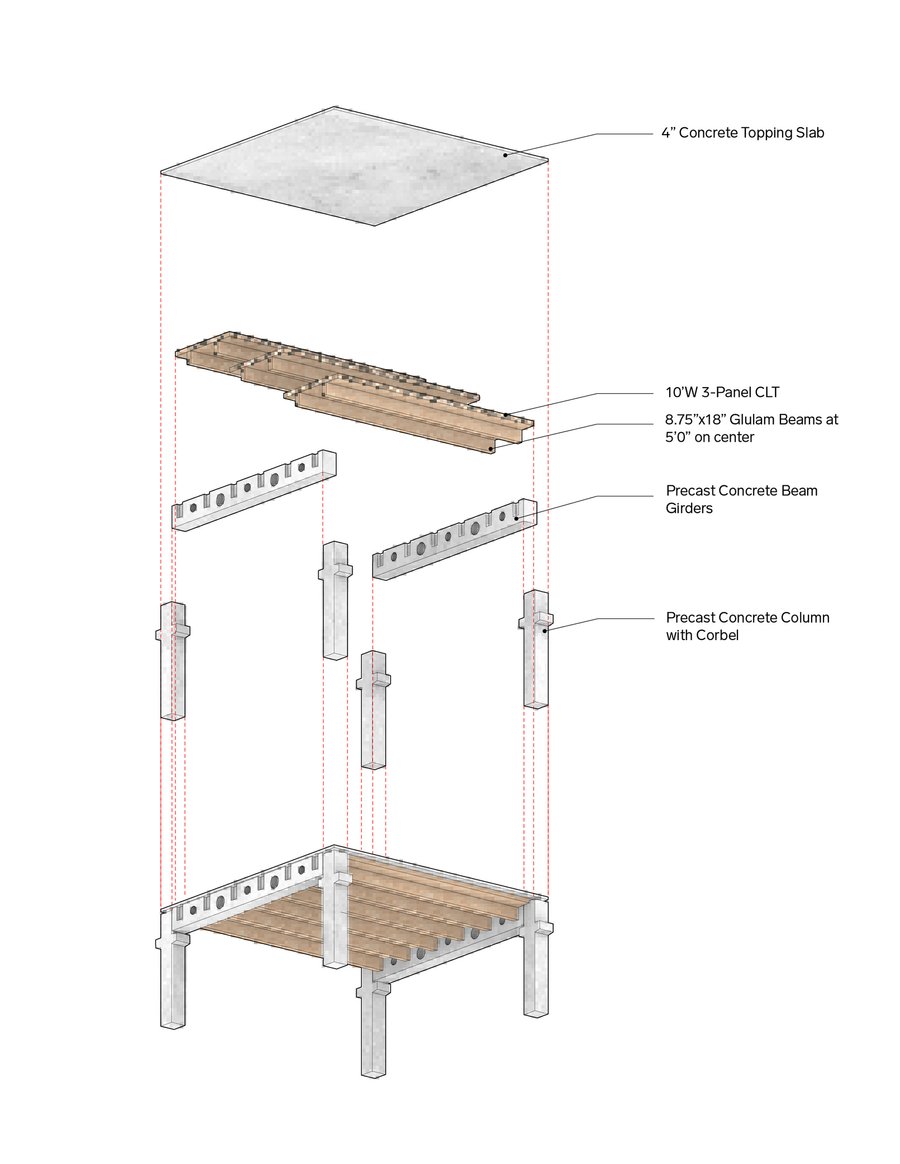
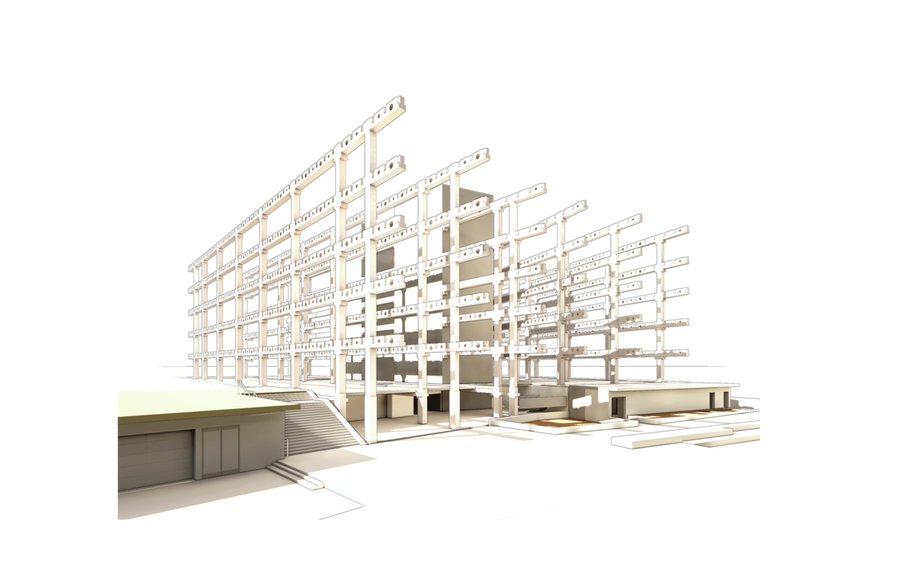
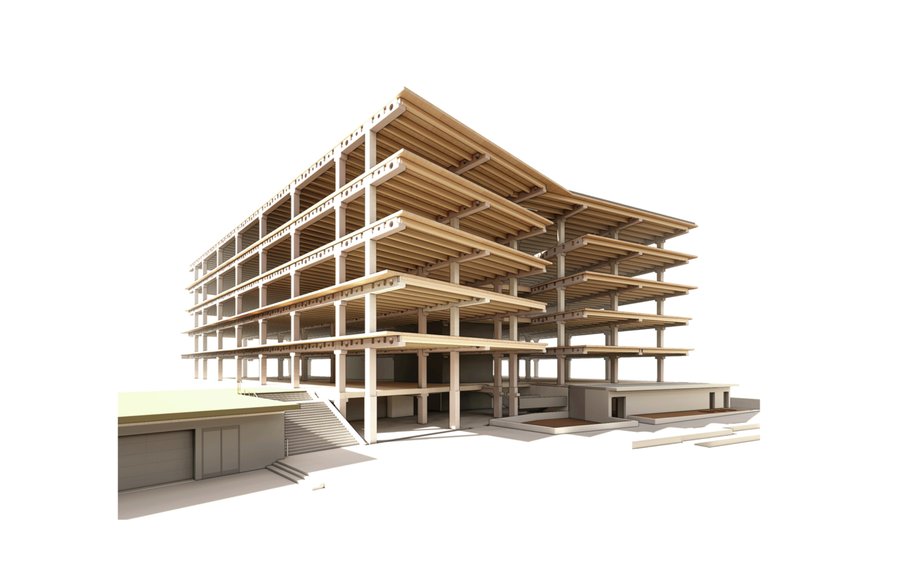
The new campus expansion is one of the largest mass timber projects in the United States to date—serving as a catalyst for wider adoption of mass timber construction in the U.S. and beyond. The new buildings showcase regional timber which give both a strong Pacific Northwest identity and sense of place. Leveraging the firm’s expertise with timber innovation, the Gold Building deploys a unique hybrid structural system made from pre-cast concrete columns and girders with glulam beams and Cross-Laminated Timber (CLT) panels. Mass timber’s warm character, technical innovation, and connection to the regional forestry culture make it an ideal material for a cutting-edge brand with roots in the Northwest.

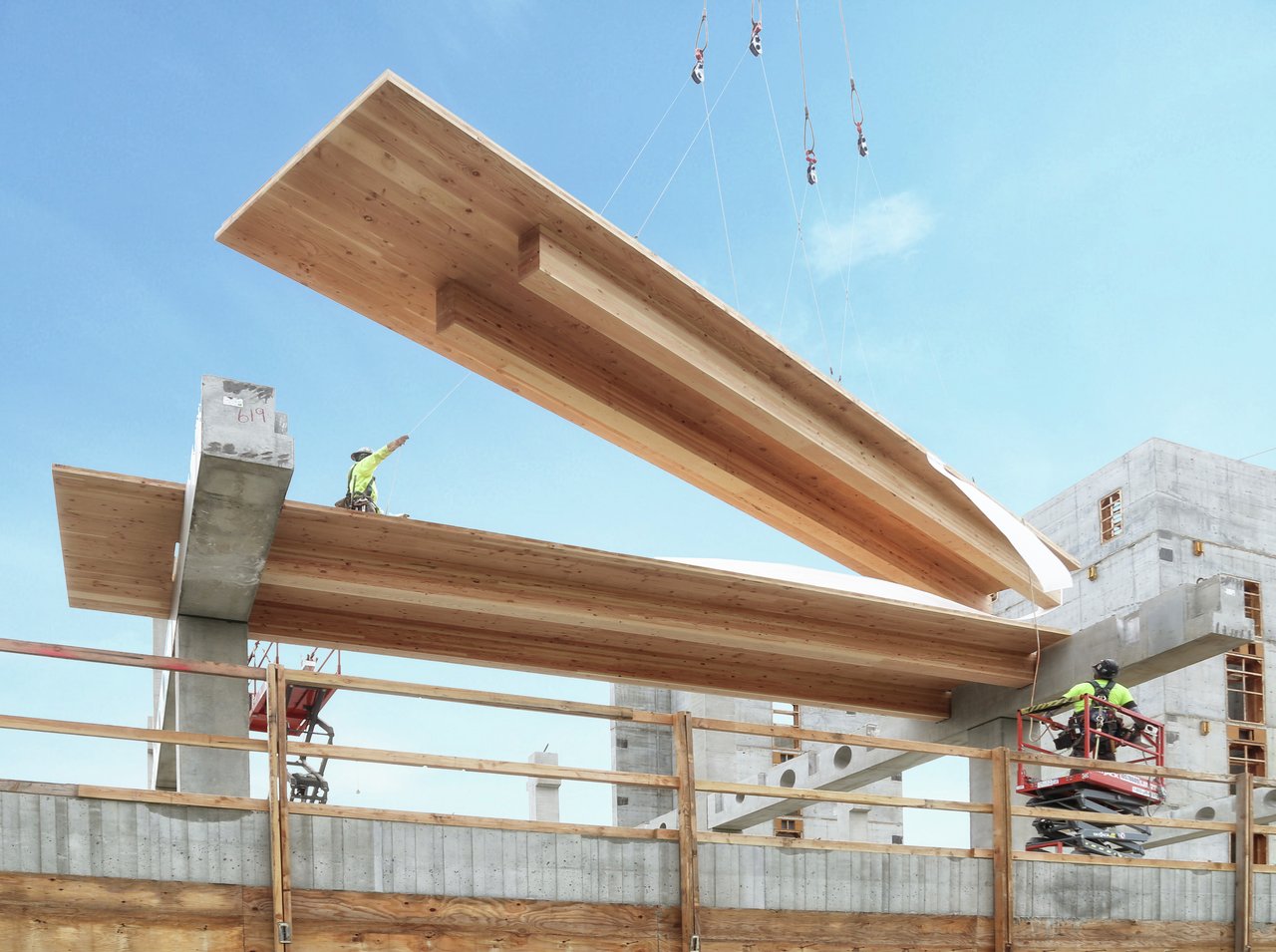
construction detail from adidas Gold building
Hybrid Timber Structure

The design for the Gold Building utilizes a unique hybrid structural system made from pre-cast concrete columns and girders with glulam beams and Cross-Laminated Timber (CLT) panels.
Anthony Timberlands

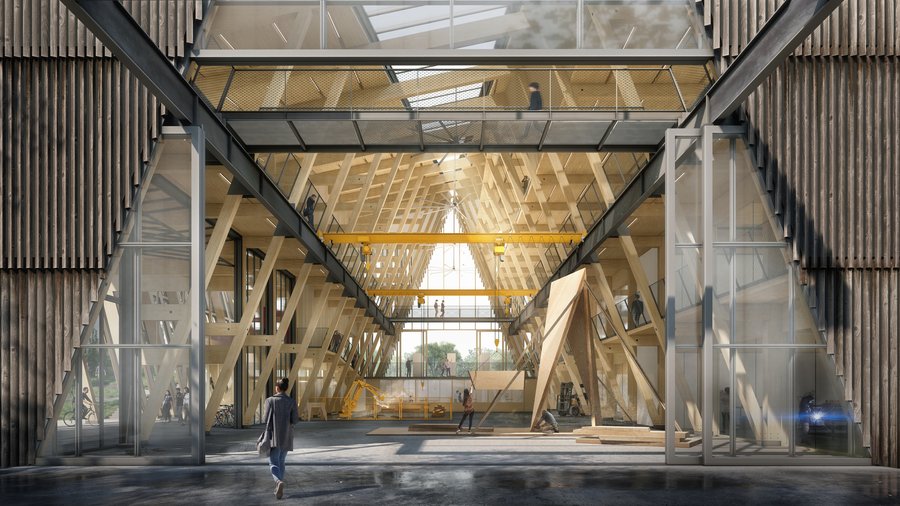
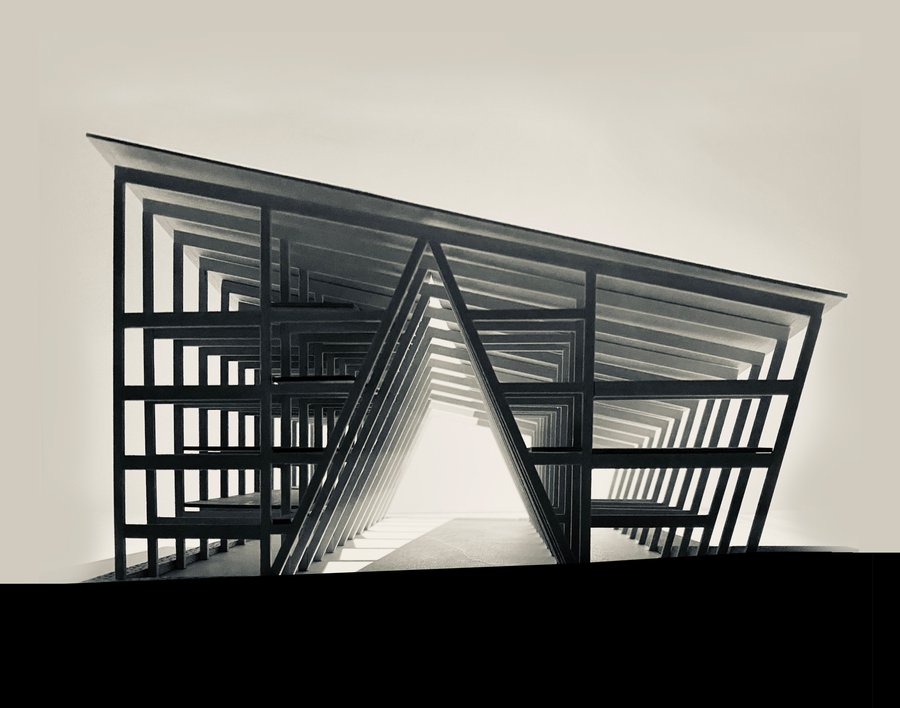
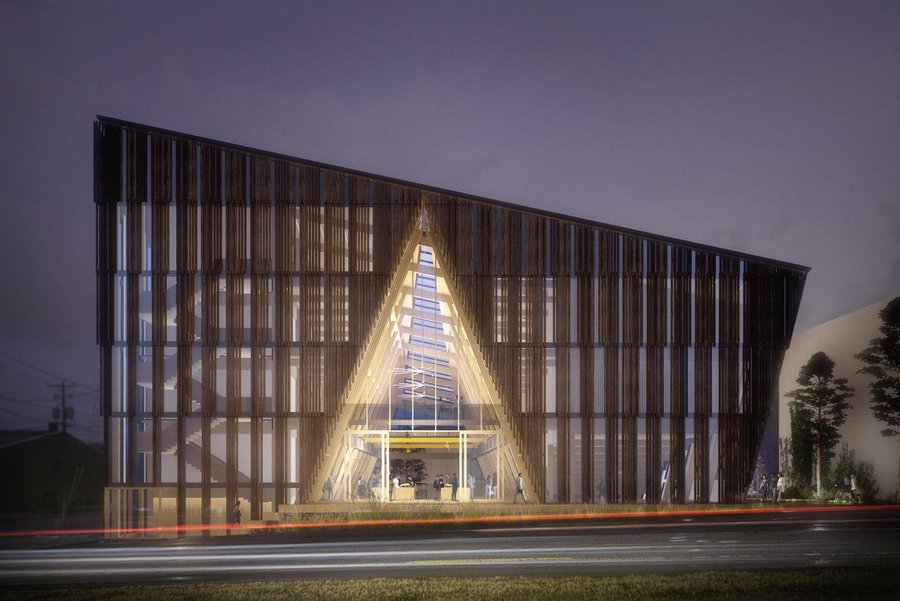
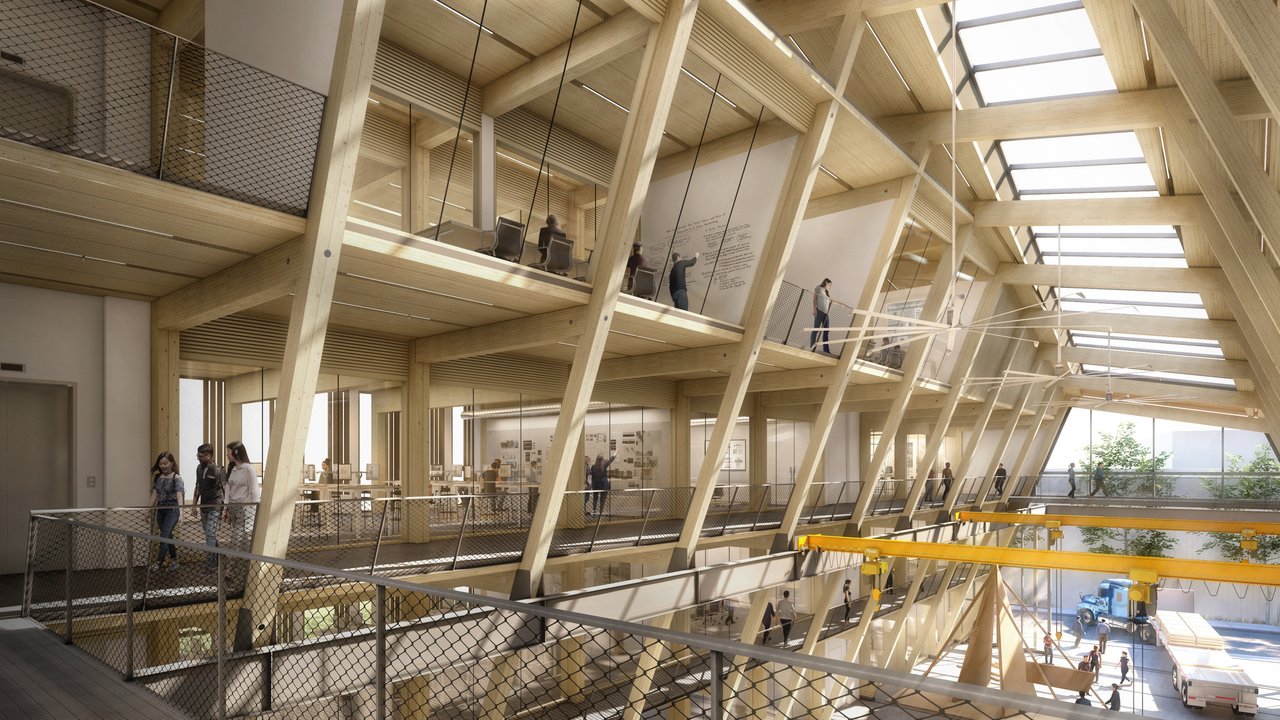
The University of Arkansas’ visionary decision to invest in mass timber speaks to a shift in design culture. The choices we make impact the health of our planet and regional economies. Using regional materials and leveraging the expertise of local suppliers and fabricators makes architecture more compelling. Limits can evolve into innovation that is both pragmatic and poetic. Our proposal for the Anthony Timberlands Center is more than a building; it’s an argument for rethinking design as a larger ecosystem of environmental and regional economic choices. This approach sees design as a wider process spanning from Forest to Frame, and it considers material origins and production as drivers of design.

The Anthony Timberlands Center for Design and Materials Innovation is planned as an important extension of the University of Arkansas’ Fay Jones School of Architecture and Design. LEVER was selected to create a concept design for the project as part of an international design competition that included Dorte Mandrup, Grafton Architects, Kennedy and Violich Architecture, Shigeru Ban, and WT/GO Architecture. The Center is envisioned as a new applied research facility that will strengthen the School’s wood innovation initiatives and house its design-build program and fabrication labs.

The University of Arkansas’ visionary decision to invest in mass timber speaks to a shift in design culture. The choices we make impact the health of our planet and regional economies. Using regional materials and leveraging the expertise of local suppliers and fabricators makes architecture more compelling. Limits can evolve into innovation that is both pragmatic and poetic. Our proposal for the Anthony Timberlands Center is more than a building; it’s an argument for rethinking design as a larger ecosystem of environmental and regional economic choices. This approach sees design as a wider process spanning from Forest to Frame, and it considers material origins and production as drivers of design.

Local Innovation

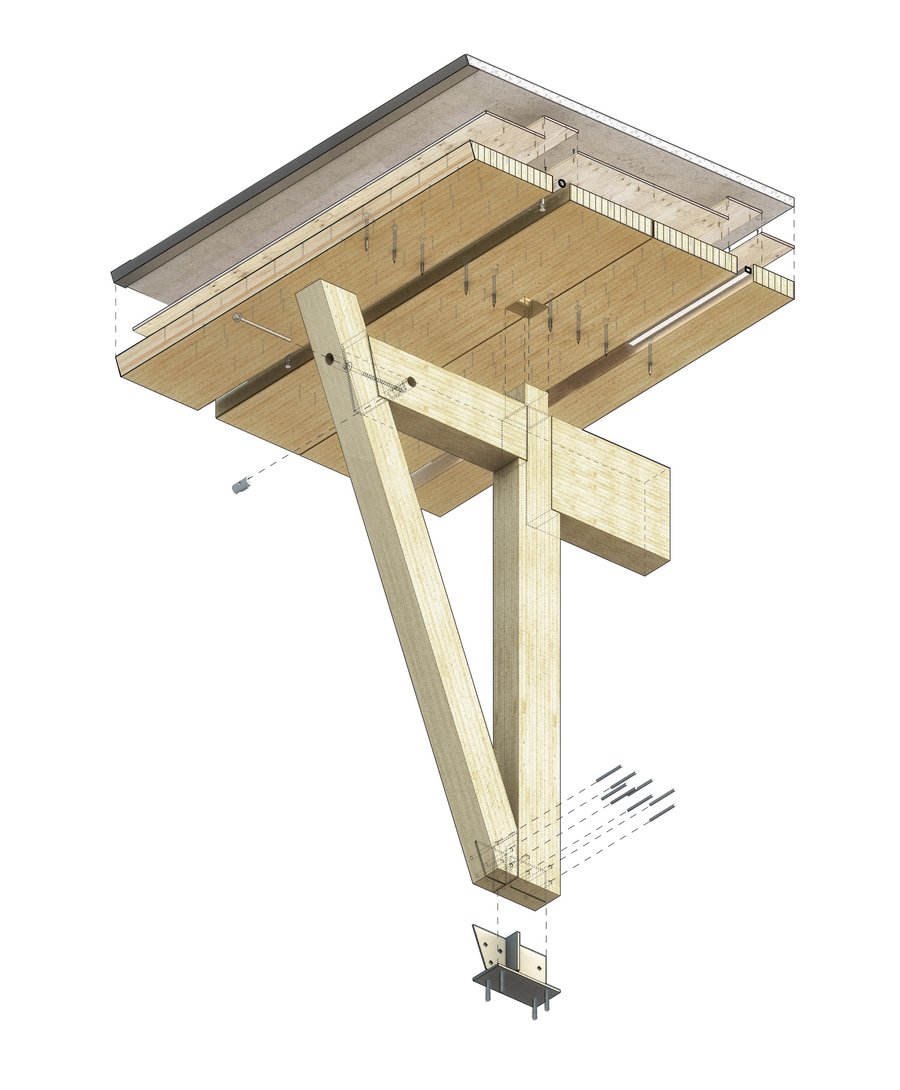
The design is driven by an innovative, low-carbon material approach. The intent is to utilize an economy of materials for maximum impact in terms of innovation, design, utility, and economic benefit. The entire structure is built using one standard glue-laminated beam that is made in Arkansas using southern yellow pine. Understanding and leveraging the capabilities of local manufacturers and regional fabricators was integral to the development of our proposal. Arkansas has everything it needs today—material resources, technical know-how, and mass timber expertise—to create a world class innovation center. The design for the Anthony Timberlands Center leverages the present to shape the future.

Project Ecosystem

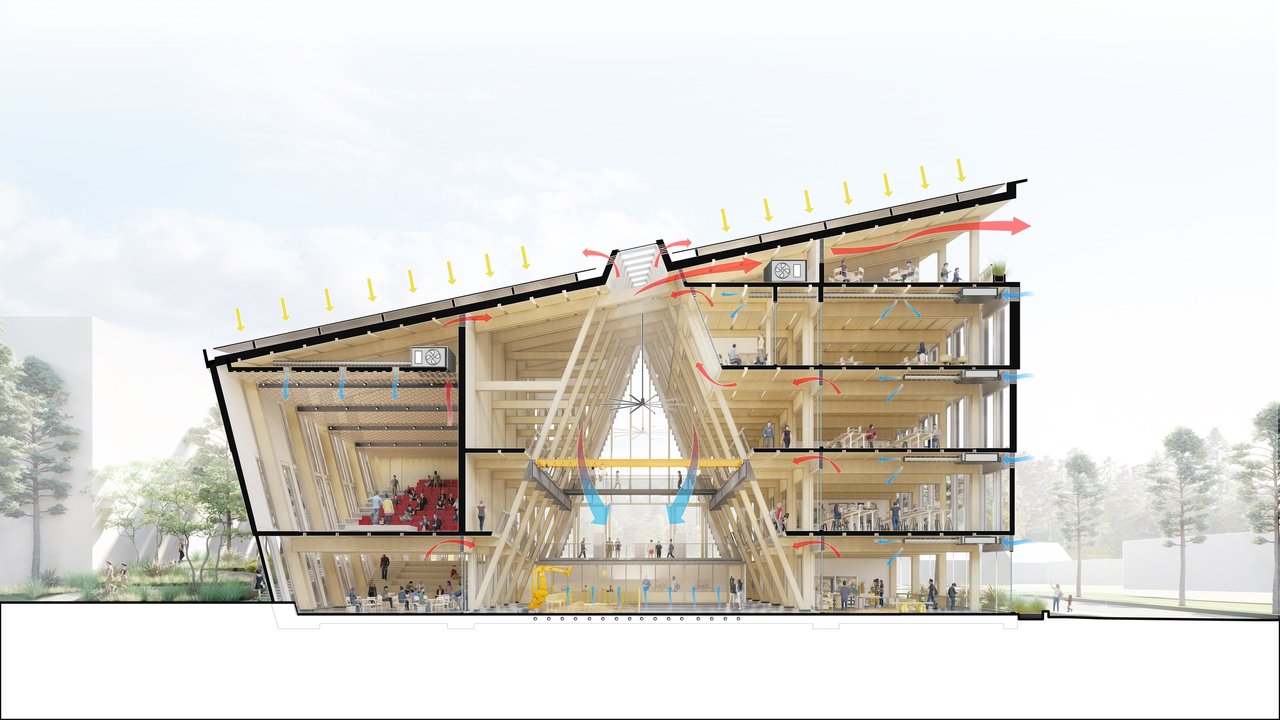
The forest is an ecosystem where biological elements—air, light, soil, water, flora, and fauna—all work together in a harmonious balance. Like the forest, our design relies on interconnected systems to create environmental and individual well-being.

The design synthesizes passive strategies and active technologies into a sustainable whole. The landscape’s pervious surfaces, swales, and plantings manage stormwater, and its arboretum helps to cool the campus. The building’s massing, decentralized mechanical system, innovative heat recovery system, geothermal wells, and photovoltaic roof work in unison to harness the power of climate to manage and produce energy. An emphasis on responsibly-sourced, regional timber throughout the design dramatically reduces the project’s carbon footprint.
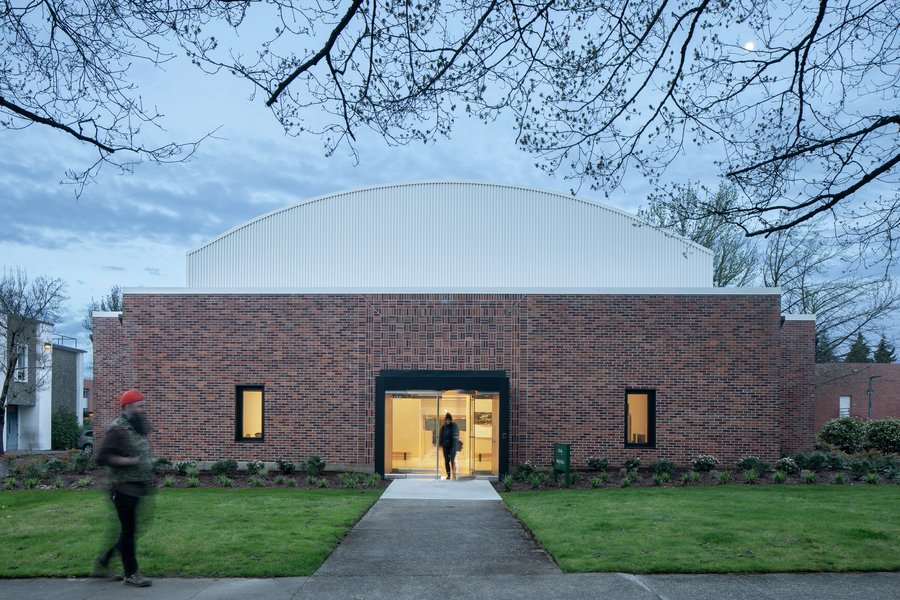
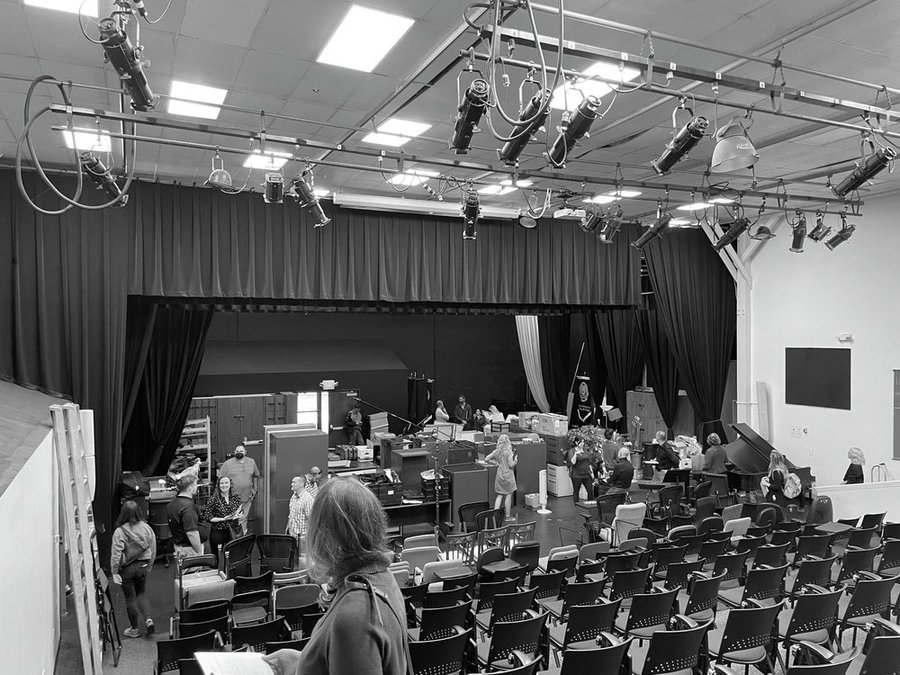
The existing building was used as a gymnasium and then performing arts center before being transformed into architecture studios
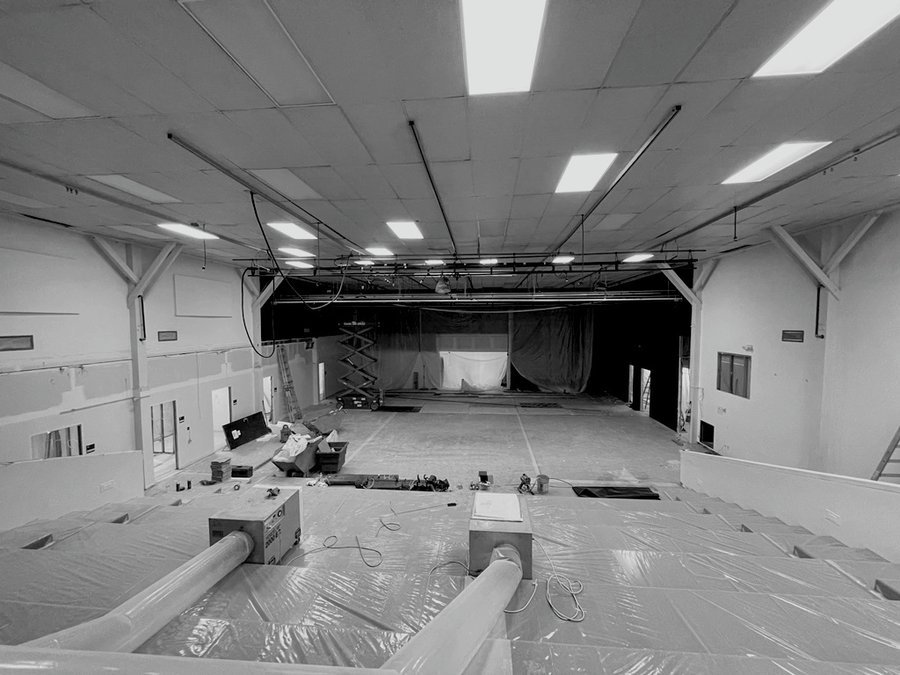
Windows and structure were concealed
University of Oregon, Highland Hall

The University of Oregon relocated its Portland program to an existing educational campus in North Portland, formerly the home of Concordia University. LEVER was selected to transform a gymnasium turned performing arts facility into a new home for the Department of Architecture. This initiative restores the structure’s historical integrity while transforming it into a contemporary educational facility that supports learning, experimentation, and community. The project embodies the values of the Department by foregrounding a commitment to environmental sustainability.

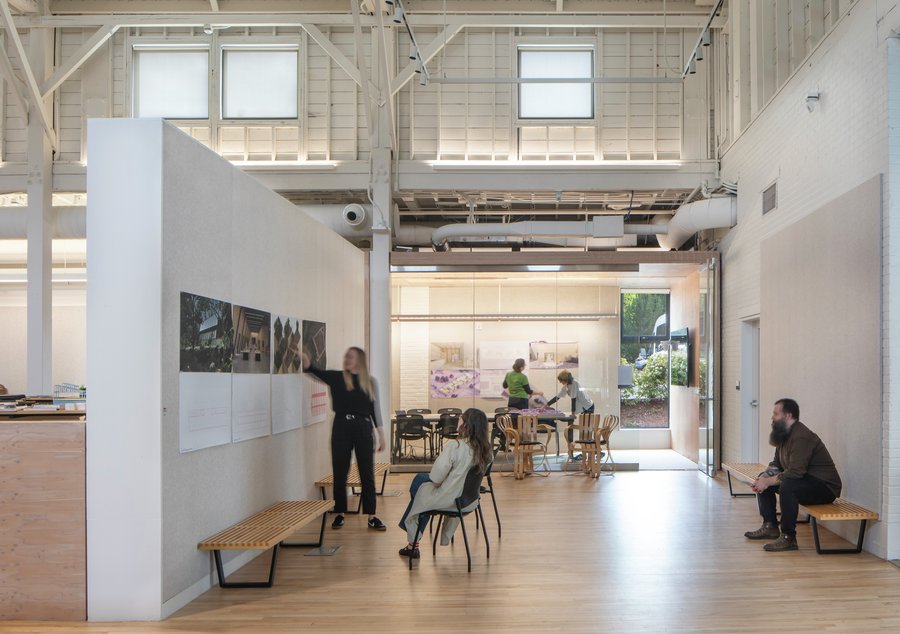
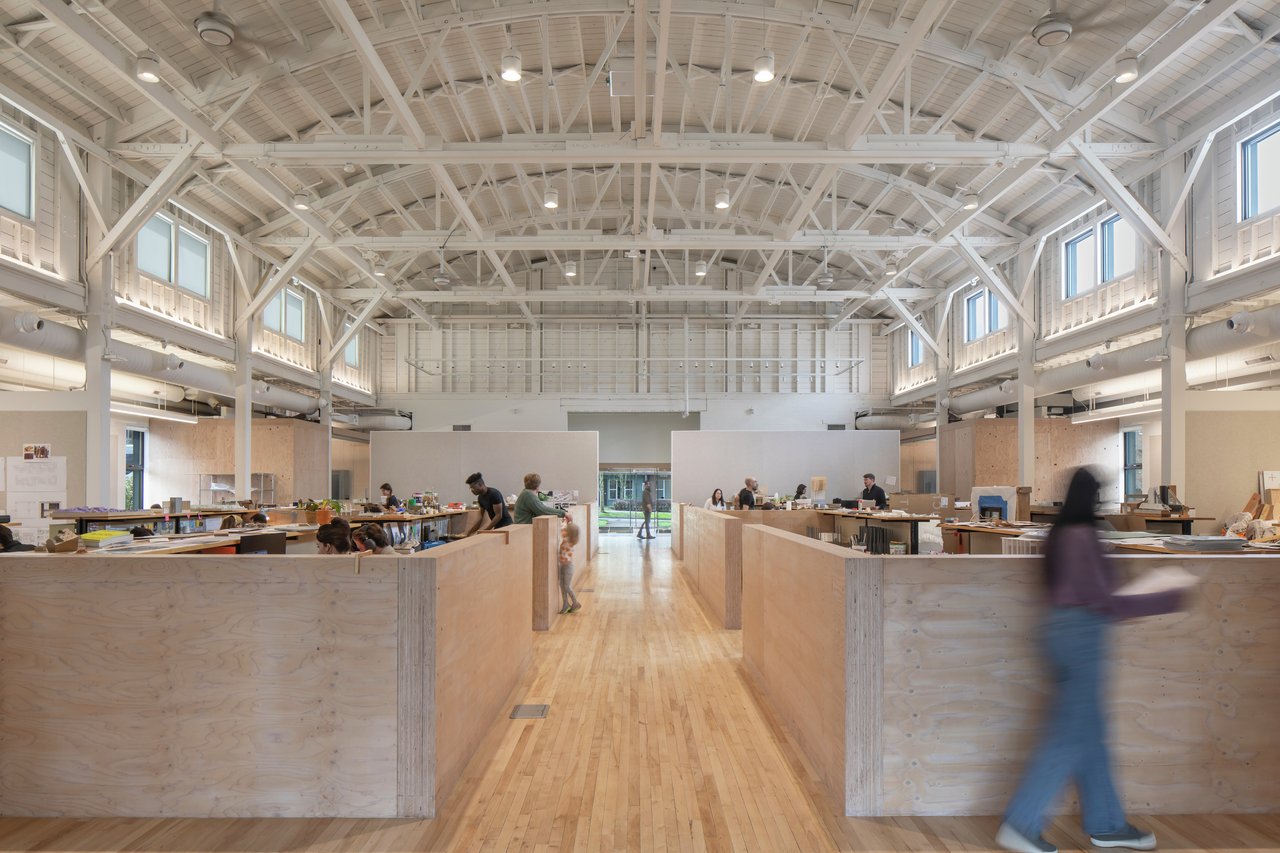
To reveal the building’s original character, elements such as the dramatic bowstring roof trusses and masonry walls are uncovered, restored, and celebrated. The design also restores clerestory windows, adds two iconic new timber and glass entry vestibules, and incorporates operable ground floor windows to maximize natural light and ventilation. Extensive daylight analysis was conducted in collaboration with the University’s Energy Studies in Buildings Laboratory to ensure optimal daylighting conditions are achieved within the open studios, seminar rooms, and faculty offices. The building transformation also takes advantage of the high bay studio space to increase the building’s thermal performance and enhance user comfort. Mechanically controlled vents and high-volume fans assist with natural ventilation in the summer; and in the winter, they destratify hot and cold air to reduce energy usage. The entire building envelope is upgraded with new, continuous insulation that when combined with a modern HVAC system with integrated heat recovery, will create a high performing building.

The renovation uncovered, restored and celebrated the buildings original structure
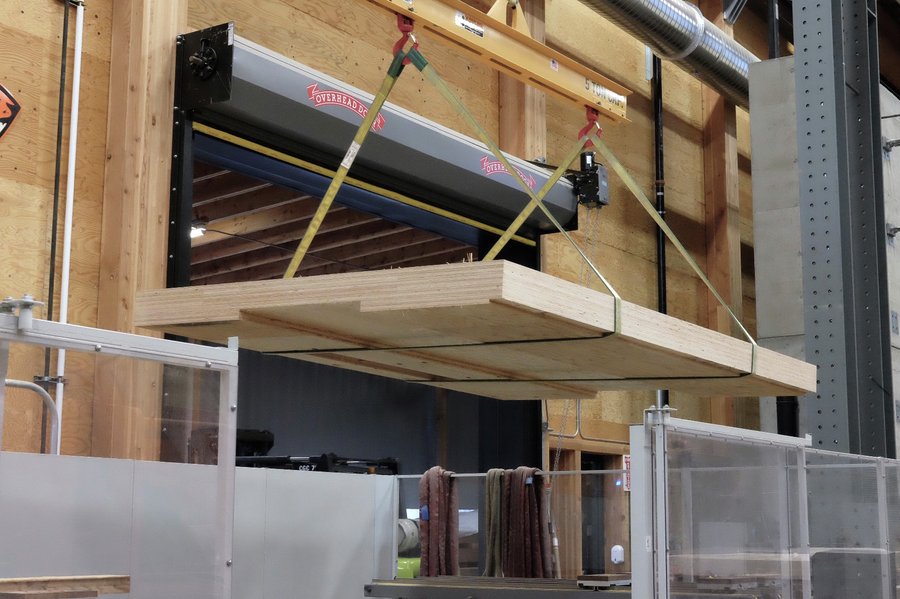
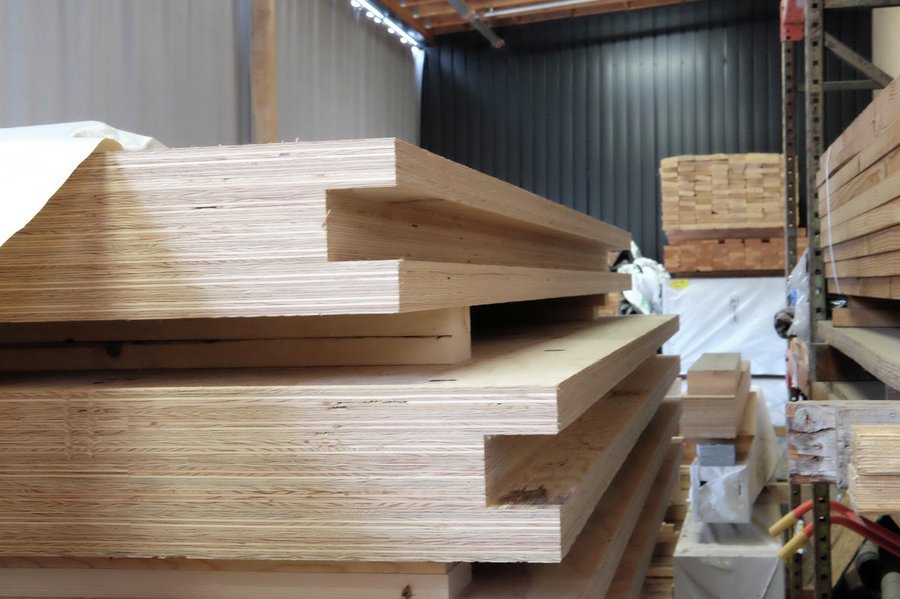
MPP panels were salvaged from testing to be used for student studio dividers
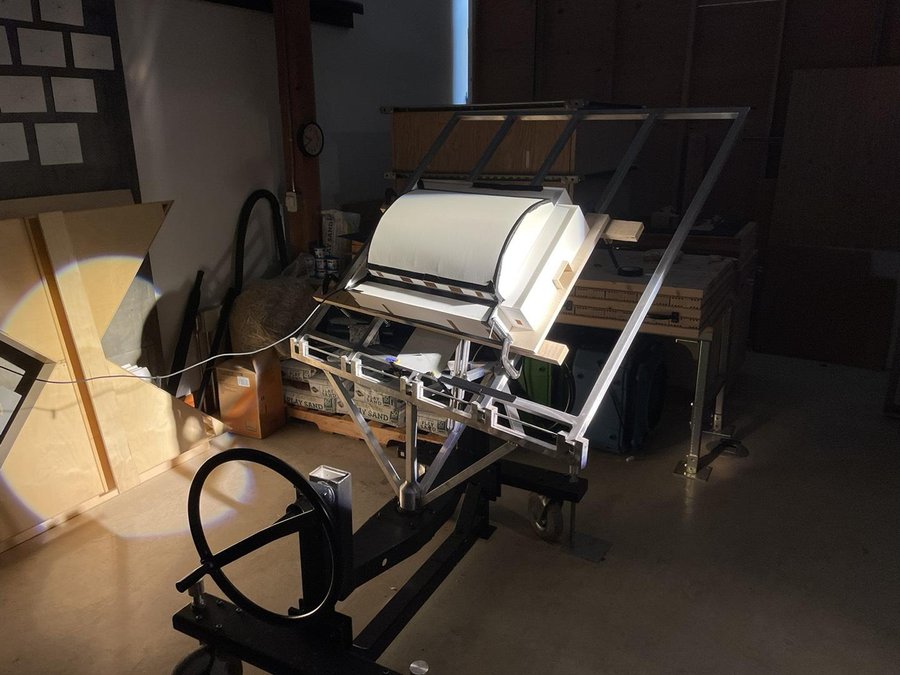
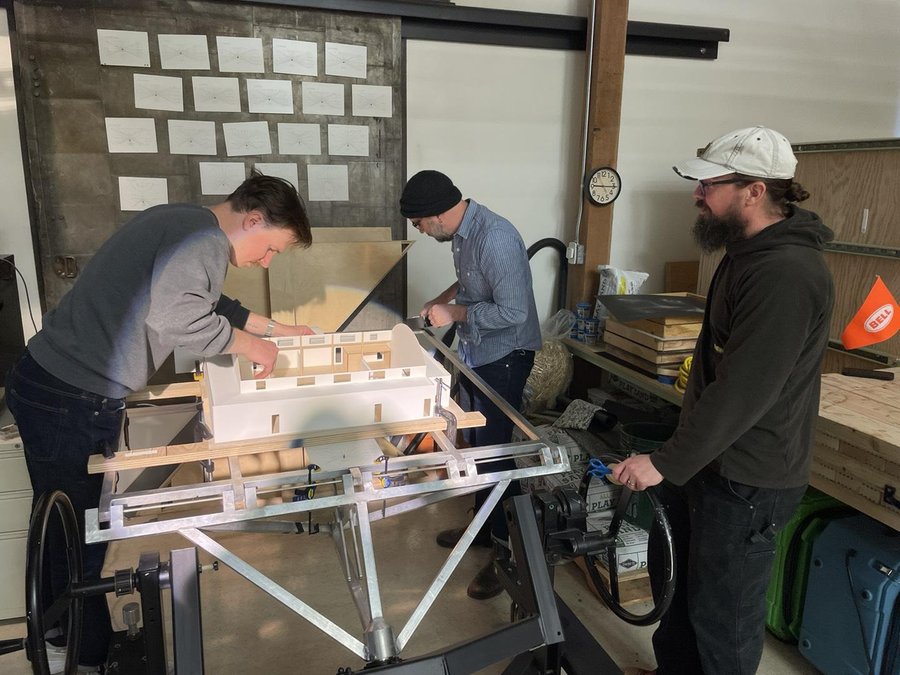
In a partnership with University of Oregon, Institute for Health in the Built Environment, daylight modeling during the design process maximized natural light in the studio spaces.
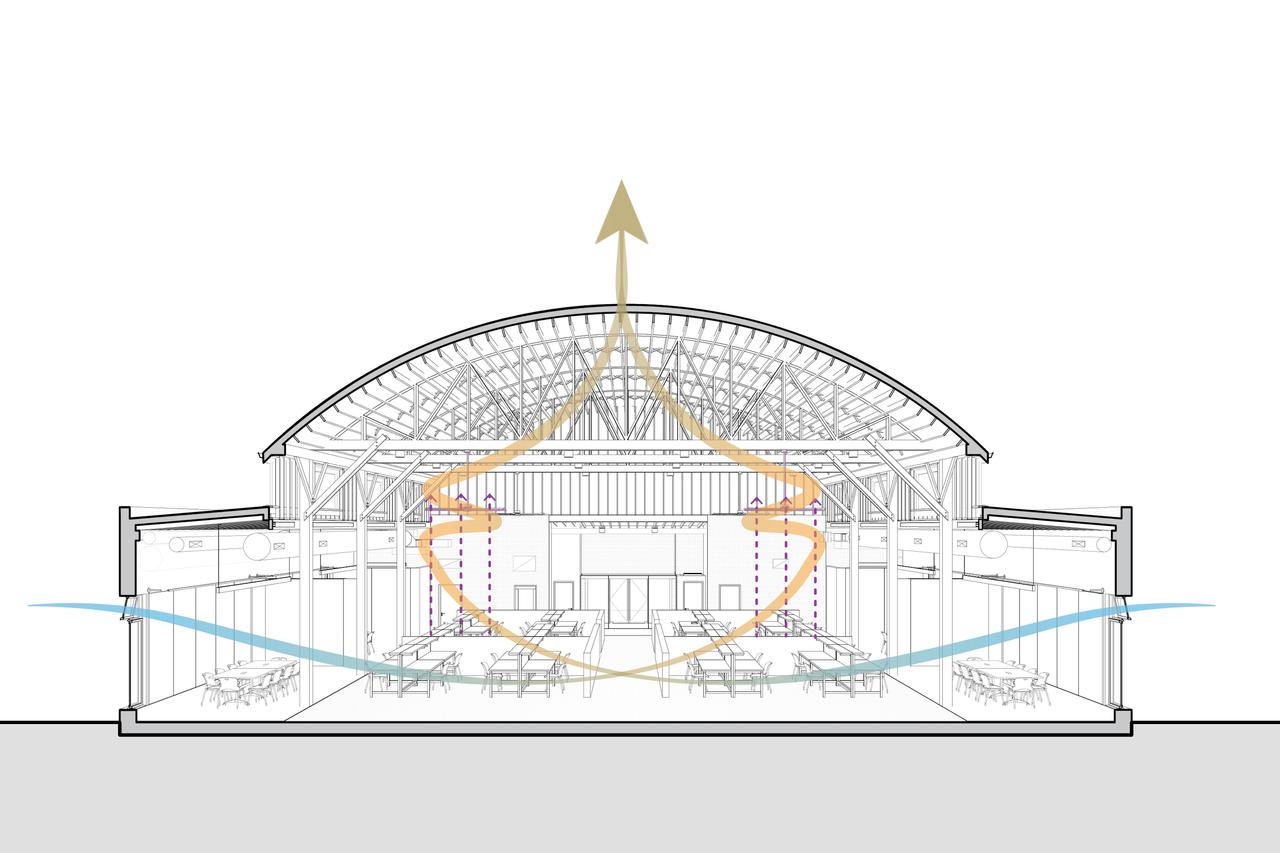
The design emphasizes natural ventilation supported by high volume fans and mechanically controlled vents. These strategies ensure the large, open space is high on comfort and low on energy use.